Blog

  • 10 Buku Psikologi yang Membantu Berdamai dengan Diri Sendiri

    10 Buku Psikologi yang Membantu Berdamai dengan Diri Sendiri

    Psikologi selalu menjadi bidang yang menarik karena membahas hal yang paling dekat dengan kita, yaitu pikiran dan perilaku manusia.

    Melalui psikologi, kita bisa memahami mengapa seseorang bertindak dengan cara tertentu, bagaimana emosi bekerja, serta apa yang sebenarnya membuat hidup menjadi lebih bermakna.

    Tidak hanya berguna untuk para akademisi, buku psikologi juga menjadi bacaan populer bagi siapa saja yang ingin mengenal dirinya lebih dalam dan memperbaiki kualitas hidup.

    Dalam beberapa dekade terakhir, banyak penulis, psikolog, hingga peneliti membagikan pemikiran mereka melalui buku yang kemudian menjadi karya monumental.

    Beberapa buku lahir dari penelitian mendalam, sementara lainnya berasal dari pengalaman pribadi yang luar biasa.

    Semua itu berpadu dalam tulisan yang tidak hanya informatif, tetapi juga menggugah hati pembaca.

    Baca juga: 7 Rekomendasi Buku Investasi Versi Miliarder yang Bikin Kamu Cepat Kaya

    Rekomendasi Buku Psikologi

    Jika kamu sedang mencari bacaan yang mampu membuka perspektif baru, berikut adalah sepuluh buku psikologi terbaik yang layak masuk dalam daftar bacaanmu.

    1. Emotional Intelligence – Daniel Goleman

    Daniel Goleman membawa pemahaman baru bahwa kecerdasan emosional memiliki pengaruh lebih besar dalam kehidupan dibanding sekadar kecerdasan intelektual.

    Buku ini menjelaskan bagaimana kemampuan mengenali dan mengendalikan emosi, serta memahami orang lain, dapat membuat seseorang lebih sukses dalam karier maupun hubungan pribadi.

    Bukan hanya teori, Goleman menyajikan banyak contoh nyata yang membuat kita sadar bahwa emosi adalah kunci keberhasilan.

    Membaca buku ini membuat kita lebih peka terhadap diri sendiri sekaligus mampu membangun hubungan sosial yang sehat.

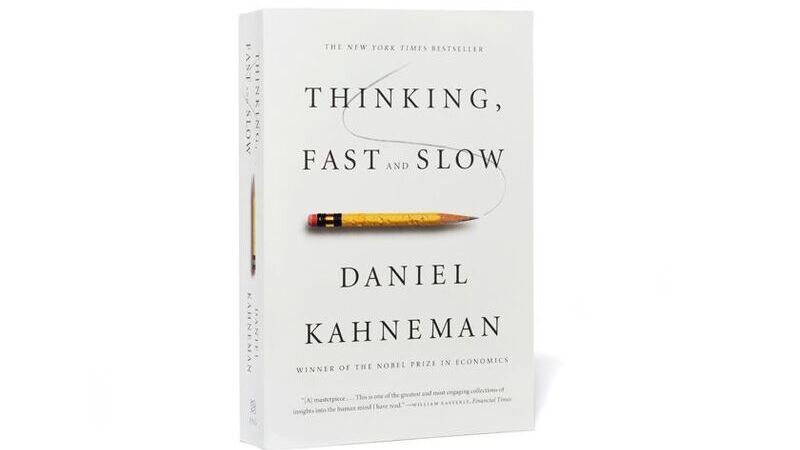
    2. Thinking, Fast and Slow – Daniel Kahneman

    Karya besar dari peraih Nobel ini membahas dua sistem berpikir dalam otak manusia. Sistem pertama bekerja cepat, intuitif, dan emosional, sedangkan sistem kedua lebih lambat, logis, dan penuh perhitungan.

    Daniel Kahneman menjelaskan bagaimana kedua sistem ini berinteraksi dan sering kali menjerumuskan kita pada kesalahan berpikir.

    Buku ini membuka mata bahwa keputusan sehari-hari, sekecil apa pun, ternyata dipengaruhi banyak bias kognitif yang tidak kita sadari.

    3. Man’s Search for Meaning – Viktor E. Frankl

    Viktor Frankl menulis buku ini berdasarkan pengalaman pahitnya bertahan hidup di kamp konsentrasi Nazi.

    Dari penderitaan yang luar biasa, ia menemukan bahwa manusia tetap bisa hidup bermakna asalkan memiliki tujuan.

    Buku ini melahirkan teori logoterapi yang fokus pada pencarian makna sebagai pusat kehidupan manusia.

    Membaca karya ini memberi kekuatan tersendiri untuk tidak menyerah dalam menghadapi penderitaan, karena selalu ada hal berharga yang bisa ditemukan di balik rasa sakit.

    4. The Psychology of Money – Morgan Housel

    Morgan Housel menuliskan kisah sederhana tentang bagaimana manusia berhubungan dengan uang.

    Ia menekankan bahwa keputusan finansial lebih sering dipengaruhi oleh emosi, ego, dan pengalaman, bukan sekadar logika atau teori ekonomi.

    Buku ini memberikan pemahaman bahwa mengelola uang pada dasarnya adalah mengelola diri.

    Dengan bahasa yang ringan, Housel membuat pembahasan tentang uang terasa sangat manusiawi dan dekat dengan kehidupan sehari-hari.

    Baca juga: 10 Buku Resep Makanan Indonesia Untuk Inspirasi Usaha Kuliner

    5. Flow: The Psychology of Optimal Experience – Mihaly Csikszentmihalyi

    Mihaly Csikszentmihalyi memperkenalkan konsep “flow”, yaitu kondisi ketika seseorang tenggelam sepenuhnya dalam sebuah aktivitas hingga merasakan kepuasan yang mendalam.

    Dalam keadaan ini, waktu seakan berhenti dan energi mengalir tanpa henti.

    Buku ini menunjukkan bahwa kebahagiaan bukanlah hasil dari pencapaian materi, tetapi dari pengalaman penuh makna.

    Konsep flow memberi inspirasi bagaimana kita bisa meraih kepuasan melalui pekerjaan, hobi, maupun aktivitas sehari-hari.

    6. The Body Keeps the Score – Bessel van der Kolk

    Bessel van der Kolk menulis karya penting tentang trauma dan dampaknya terhadap tubuh serta pikiran.

    Ia menjelaskan bagaimana pengalaman traumatis bisa meninggalkan luka yang sulit hilang, tidak hanya dalam ingatan tetapi juga dalam kondisi fisik.

    Dengan pendekatan ilmiah dan humanis, buku ini menyajikan berbagai metode penyembuhan, mulai dari terapi bicara hingga yoga.

    Bacaan ini penting bagi siapa saja yang ingin memahami hubungan erat antara tubuh, pikiran, dan pengalaman masa lalu.

    7. Quiet: The Power of Introverts in a World That Can’t Stop Talking – Susan Cain

    Susan Cain memberi suara bagi para introvert melalui buku ini. Dalam masyarakat yang sering kali lebih menghargai sifat ekstrovert, ia menunjukkan bahwa introvert memiliki kekuatan unik yang tidak kalah berharga.

    Dengan riset mendalam dan kisah nyata, Cain menggambarkan bagaimana introvert mampu menjadi pemimpin, pencipta, dan pemikir hebat.

    Buku ini memberi kepercayaan diri baru bagi mereka yang lebih suka mendengarkan daripada berbicara.

    8. Predictably Irrational – Dan Ariely

    Dan Ariely mengajak pembaca menyelami dunia pengambilan keputusan yang sering kali tidak rasional.

    Lewat eksperimen unik, ia membuktikan bahwa manusia cenderung mengambil keputusan yang salah, tetapi justru bisa diprediksi.

    Buku ini tidak hanya lucu dan menghibur, tetapi juga membuat kita lebih sadar bahwa banyak pilihan dalam hidup dipengaruhi oleh bias dan persepsi yang keliru.

    9. Atomic Habits – James Clear

    James Clear mengajarkan tentang kekuatan kebiasaan kecil yang dilakukan secara konsisten.

    Buku ini menjelaskan bagaimana kebiasaan buruk terbentuk dan bagaimana cara menggantinya dengan kebiasaan baik yang lebih bermanfaat.

    Dengan pendekatan psikologi perilaku, Atomic Habits memberi strategi praktis yang bisa diterapkan langsung dalam kehidupan sehari-hari. Tidak heran jika buku ini menjadi salah satu karya terlaris dan paling berpengaruh di dunia.

    10. The Happiness Hypothesis – Jonathan Haidt

    Jonathan Haidt menggabungkan kebijaksanaan kuno dengan ilmu psikologi modern untuk membahas apa yang sebenarnya membuat manusia bahagia.

    Ia membandingkan ajaran filsafat klasik dengan penelitian terbaru dan menyajikannya dalam bahasa yang mudah dipahami.

    Buku ini membuat pembaca merenungkan hubungan antara moralitas, kebahagiaan, dan cara menjalani hidup. Sebuah karya yang kaya wawasan dan mampu memberi inspirasi mendalam

  • 10 Buku Resep Makanan Indonesia Untuk Inspirasi Usaha Kuliner

    10 Buku Resep Makanan Indonesia Untuk Inspirasi Usaha Kuliner

    Indonesia dikenal sebagai negeri yang kaya rempah, setiap daerah punya ciri khas rasa dan cara memasak yang berbeda.

    Tidak heran jika buku resep makanan Indonesia selalu diminati karena bisa menjadi jembatan untuk melestarikan cita rasa sekaligus mengenalkan kembali warisan kuliner.

    Menariknya, banyak penulis buku masakan Indonesia yang tidak hanya menuliskan resep, tetapi juga menyajikan cerita, ide bisnis, bahkan kreasi modern yang membuat memasak jadi lebih menyenangkan.

    Baca juga: 7 Rekomendasi Buku Investasi Versi Miliarder yang Bikin Kamu Cepat Kaya

    Buku Resep Makanan Indonesia

    Jika kamu sedang mencari buku resep asli karya penulis Indonesia, berikut adalah beberpa judul pilihan yang bisa menjadi teman setia di dapur maupun inspirasi membuka usaha kuliner.

    1. Indonesian Fusion Foods – Devina Hermawan

    Devina Hermawan dikenal sebagai salah satu chef muda berbakat yang sering tampil di televisi sekaligus aktif membagikan resep melalui kanal YouTube miliknya.

    Dalam bukunya yang berjudul Indonesian Fusion Foods, ia menawarkan sesuatu yang berbeda dari sekadar kumpulan resep.

    Devina mencoba memadukan kekayaan kuliner tradisional Indonesia dengan ide-ide kreatif yang terinspirasi dari masakan modern.

    Di dalam buku ini, pembaca akan menemukan kreasi unik yang jarang terpikirkan sebelumnya.

    Rendang, yang biasanya disajikan bersama nasi, diubah menjadi rendang burger dengan roti lembut dan sayuran segar.

    Atau sate taliwang yang biasanya identik dengan hidangan khas Lombok, kini bisa hadir dalam versi sate modern yang lebih praktis disantap tanpa kehilangan cita rasa autentiknya.

    Buku ini tidak hanya cocok untuk mereka yang ingin menyajikan sesuatu yang baru di meja makan, tetapi juga untuk pembaca yang senang berkreasi dan bereksperimen di dapur.

    Melalui langkah-langkah yang jelas, Devina mengajarkan bagaimana makanan tradisional bisa tampil lebih segar, relevan dengan gaya hidup masa kini, namun tetap menjaga keaslian rasa Nusantara.

    2. Fresh & Super Simple Cooking – Eddrian Tjhia

    Nama Eddrian Tjhia mungkin tidak asing bagi pencinta kuliner, terutama mereka yang sering mengikuti perkembangan resep sederhana dan sehat.

    Dalam bukunya Fresh & Super Simple Cooking, Eddrian menghadirkan lebih dari 60 resep yang bisa dipraktikkan siapa saja, bahkan oleh orang yang baru belajar memasak sekalipun.

    Kelebihan buku ini terletak pada cara penulis menyajikan resep dengan gaya yang sederhana dan langkah-langkah yang mudah dipahami.

    Tidak ada istilah yang rumit atau proses yang bertele-tele. Semua resep dirancang agar bisa dipraktikkan dengan cepat, namun tetap menghasilkan hidangan yang sehat dan lezat.

    Menu yang ditawarkan juga beragam. Mulai dari masakan khas Bangka yang kaya cita rasa, hingga hidangan sehari-hari yang umum ditemui di rumah tangga Indonesia.

    Cocok sekali bagi orang yang sibuk bekerja atau mahasiswa yang ingin tetap makan enak tanpa harus menghabiskan waktu lama di dapur.

    3. Hidangan Nostalgia Keluarga dengan Cerita di Balik Setiap Resep – Diah Nimpuno

    Diah Nimpuno adalah salah satu penulis kuliner yang selalu menghadirkan nuansa hangat dalam setiap karyanya.

    Dalam buku Hidangan Nostalgia Keluarga dengan Cerita di Balik Setiap Resep, ia tidak hanya menuliskan daftar bahan dan cara memasak, tetapi juga kisah-kisah personal yang menyertai setiap hidangan.

    Resep-resep klasik seperti gado-gado, rujak cingur, hingga nasi bakmoi hadir dengan cerita yang membuat pembaca merasa seperti sedang duduk di meja makan keluarga.

    Buku ini bukan hanya sekadar referensi masak, tetapi juga sebuah karya yang memadukan cita rasa dengan kenangan.

    Membacanya serasa membuka album foto lama yang penuh momen kebersamaan.

    Setiap resep mengingatkan kita bahwa makanan bukan hanya tentang rasa, tetapi juga tentang memori, cinta, dan tradisi yang diwariskan dari generasi ke generasi.

    4. Home Cooking ala Xander’s Kitchen: 100 Resep Hits di Instagram

    Siapa yang tidak kenal dengan Xander’s Kitchen? Akun kuliner ini sangat populer di Instagram dan telah menginspirasi jutaan orang untuk berani mencoba memasak sendiri di rumah.

    Melihat antusiasme besar dari pengikutnya, Xander’s Kitchen merangkum resep-resep andalannya dalam sebuah buku berjudul Home Cooking ala Xander’s Kitchen.

    Buku ini memuat 100 resep masakan favorit yang sering viral di media sosial. Mulai dari soto ayam, tongseng sapi, hingga ikan asam manis, semua tersaji dengan cara penulisan yang mudah dipahami.

    Bahan-bahan yang digunakan juga tergolong sederhana dan mudah ditemukan di pasar tradisional maupun supermarket.

    Buku ini sangat cocok bagi ibu rumah tangga, mahasiswa yang tinggal di kos, atau siapa pun yang ingin belajar memasak dengan cara yang praktis.

    Tak heran jika buku ini menjadi salah satu referensi paling dicari, karena hasil masakan yang didapat benar-benar sesuai dengan selera orang Indonesia kebanyakan.

    5. Mommyclopedia: 78 Resep MPASI – dr. Meta Herdiana Hanindita

    Bagi para orang tua yang sedang menyiapkan makanan pendamping ASI, buku Mommyclopedia: 78 Resep MPASI karya dr. Meta Herdiana Hanindita adalah panduan yang sangat berharga.

    Sebagai seorang dokter spesialis anak, dr. Meta menulis buku ini dengan memperhatikan kebutuhan nutrisi bayi usia 6 hingga 23 bulan.

    Isi bukunya tidak hanya berupa kumpulan resep, tetapi juga panduan mengenai tahap-tahap pemberian MPASI yang sesuai dengan perkembangan anak.

    Resepnya beragam, mulai dari bubur udang tahu, siomay ayam udang, hingga aneka variasi makanan sehat lainnya.

    Semua resep disusun secara bertahap agar orang tua tahu makanan mana yang bisa diperkenalkan terlebih dahulu, hingga kombinasi gizi yang lebih kompleks.

    Buku ini menjadi pegangan yang tidak hanya membantu orang tua menyiapkan makanan sehat, tetapi juga memastikan bahwa pertumbuhan dan perkembangan bayi berjalan optimal.

    6. 100 Resep Makanan Laris Dijual ala Dapur Mak Evi

    Tidak semua buku resep hanya ditujukan untuk memasak di rumah. Ada juga buku seperti 100 Resep Makanan Laris Dijual ala Dapur Mak Evi yang memang difokuskan untuk peluang usaha kuliner.

    Buku ini berisi resep-resep camilan, kue, makanan manis, gurih, hingga dessert kekinian yang cocok dijual sebagai bisnis rumahan.

    Pembaca akan menemukan berbagai ide yang bisa langsung dipraktikkan, mulai dari jajanan pasar yang klasik hingga kue kering modern.

    Keunggulannya terletak pada cara penulis menggabungkan resep praktis dengan strategi usaha. Resep yang ditawarkan tidak hanya enak, tetapi juga memiliki potensi komersial tinggi.

    Buku ini menjadi rujukan penting bagi siapa saja yang ingin memulai bisnis makanan dari rumah. Tanpa harus bingung mencari ide, semua sudah tersaji lengkap dalam buku ini.

    7. 125 Resep Masakan Pilihan – Ny. Liem

    Nama Ny. Liem sudah sangat dikenal di dunia kuliner Indonesia, terutama di bidang baking.

    Dalam bukunya 125 Resep Masakan Pilihan, ia menyajikan berbagai menu yang lengkap, mulai dari masakan sederhana hingga kreasi yang lebih modern.

    Ada resep nasi goreng, fettuccine teriyaki, hingga udang goreng gandum yang menggugah selera.

    Variasi menu yang ditawarkan membuat pembaca tidak cepat bosan, karena ada pilihan resep untuk menu sehari-hari maupun hidangan spesial untuk momen tertentu.

    Buku ini bisa disebut sebagai salah satu koleksi wajib bagi pecinta kuliner karena ditulis oleh seorang legenda yang karyanya sudah teruji di dapur banyak orang.

    8. Warisan Kuliner Nusantara – William Wongso

    William Wongso adalah nama besar dalam dunia kuliner Indonesia. Dalam bukunya Warisan Kuliner Nusantara, ia membagikan kekayaan cita rasa Indonesia dari Sabang sampai Merauke.

    Buku ini tidak hanya menyajikan resep, tetapi juga kisah budaya, sejarah, dan filosofi di balik setiap masakan.

    Membaca buku ini serasa melakukan perjalanan kuliner ke berbagai daerah di Indonesia.

    Setiap resep memiliki latar belakang yang mengajarkan kita betapa kaya dan beragamnya budaya kuliner Nusantara.

    Cocok bagi siapa saja yang ingin lebih mengenal Indonesia melalui hidangan khasnya.

    9. Kitab Masakan: Kumpulan Resep Sepanjang Masa

    Buku legendaris ini dikenal sebagai salah satu referensi paling lengkap dalam dunia kuliner Indonesia.

    Kitab Masakan memuat lebih dari 1.300 resep, mencakup berbagai hidangan dari masakan tempo dulu, masakan Nusantara, hingga menu Barat dan Asia.

    Karena kelengkapannya, buku ini kerap dianggap sebagai ensiklopedia kuliner yang bisa dijadikan rujukan kapan saja.

    Siapa pun yang serius mendalami dunia memasak pasti akan merasa sangat terbantu dengan koleksi resep dalam buku ini.

    10. The Home Book of Indonesian Cookery – Sri Owen

    Sri Owen adalah salah satu tokoh penting dalam memperkenalkan kuliner Indonesia ke dunia internasional.

    Dalam bukunya The Home Book of Indonesian Cookery, ia merangkum resep-resep autentik yang berasal dari keluarganya.

    Buku ini ditulis dalam bahasa Inggris sehingga bisa menjangkau pembaca global yang ingin mengenal masakan Indonesia lebih dalam.

    Tak hanya resep, Sri Owen juga menjelaskan filosofi dan budaya di balik hidangan tersebut.

    Bagi banyak orang, buku ini menjadi pintu gerbang untuk memahami betapa kaya dan istimewanya kuliner Indonesia.

  • Cara Kerja Mesin 4 Tak dan Penjelasan Lengkap Siklusnya

    Cara Kerja Mesin 4 Tak dan Penjelasan Lengkap Siklusnya

    Dalam kehidupan sehari-hari, hampir semua orang pernah bersentuhan dengan kendaraan bermotor, baik itu sepeda motor, mobil, maupun mesin-mesin lain yang menggunakan motor bakar.

    Di balik kecepatan dan tenaga yang dihasilkan, terdapat sebuah sistem mekanis yang bekerja dengan sangat teratur dan presisi, salah satunya adalah mesin 4 tak.

    Jenis mesin ini banyak digunakan karena memiliki efisiensi bahan bakar yang lebih baik, suara yang lebih halus, serta usia pakai yang lebih panjang dibandingkan dengan mesin 2 tak.

    Namun, tidak semua orang memahami bagaimana sebenarnya cara kerja mesin 4 tak.

    Agar gambaran mengenai mesin 4 tak lebih mudah dipahami, berikut ini adalah pembahasan mengenai apa itu mesin 4 tak, urutan siklus kerjanya, peran komponen yang saling berkaitan, dan juga hal-hal yang menjadi keunggulan maupun keterbatasannya.

    Baca Juga: Sebuah mobil tidak dapat distart, kemudian dilakukan pengukuran tegangan baterai menggunakan AVO meter menunjukkan nilai pengukuran dibawah 12 V DC

    Mengenal Mesin 4 Tak

    Mesin 4 tak adalah mesin pembakaran dalam yang menyelesaikan satu siklus tenaga dalam empat langkah piston. Empat langkah tersebut adalah hisap, kompresi, usaha, dan buang.

    Disebut mesin 4 tak karena untuk menghasilkan satu kali tenaga atau satu kali putaran efektif, piston harus melalui empat langkah gerakan.

    Proses ini berlangsung sangat cepat dan berulang-ulang setiap kali mesin dinyalakan.

    Dalam dunia otomotif, mesin 4 tak digunakan baik pada kendaraan roda dua maupun roda empat karena dianggap lebih ramah lingkungan dan ekonomis.

    Untuk memahami cara kerja mesin 4 tak, kita harus membayangkan ruang bakar seperti sebuah tabung tertutup dengan piston yang bergerak naik turun di dalamnya.

    Setiap gerakan piston dari titik atas ke titik bawah disebut satu langkah. Dalam empat langkah ini terjadi proses masuknya campuran udara dan bahan bakar, pemampatan, pembakaran, hingga pembuangan gas sisa.

    Prinsipnya, mesin mengubah energi kimia dari bahan bakar menjadi energi mekanik berupa putaran poros engkol yang nantinya digunakan untuk menggerakkan kendaraan.

    Hampir semua kendaraan roda dua modern menggunakan mesin 4 tak. Mobil pun sejak lama telah mengandalkan mesin ini.

    ahkan peralatan lain seperti mesin potong rumput, mesin pompa air, dan genset juga banyak yang menggunakan sistem 4 tak.

    Efisiensi dan daya tahannya membuat mesin ini sangat diandalkan dalam berbagai sektor kehidupan manusia.

    Baca juga: Mengenal Apa Itu Regenerative Braking dan Bagaimana Prinsip Kerjanya

    Siklus Kerja Mesin 4 Tak

    Mesin 4 tak tidak hanya mengandalkan pembakaran bahan bakar, tetapi juga serangkaian siklus yang berjalan secara berurutan dan saling berkaitan

    1. Langkah Pertama Hisap

    Langkah pertama disebut langkah hisap atau intake stroke. Pada tahap ini, piston bergerak dari titik mati atas (TMA) ke titik mati bawah (TMB). Katup masuk terbuka sementara katup buang tertutup.

    Gerakan piston ke bawah menciptakan ruang hampa yang membuat campuran udara dan bahan bakar masuk ke dalam ruang bakar melalui karburator atau injektor pada mesin modern.

    Proses ini mirip dengan seseorang yang menghirup udara dalam-dalam. Semakin baik proses hisap, maka semakin sempurna pula pembakaran yang akan terjadi.

    Pada mesin injeksi, jumlah bahan bakar yang masuk sudah diatur secara elektronik agar sesuai dengan kebutuhan mesin.

    Sedangkan pada mesin karburator, campuran bahan bakar diatur secara mekanis melalui perbedaan tekanan udara.

    Langkah hisap ini menjadi pondasi awal bagi tenaga yang akan dihasilkan, sehingga efisiensi dan kebersihan bahan bakar sangat menentukan.

    2. Langkah Kedua Kompresi

    Setelah campuran udara dan bahan bakar masuk, piston bergerak kembali dari titik mati bawah ke titik mati atas. Pada tahap ini, katup masuk dan katup buang sama-sama tertutup. Campuran bahan bakar dan udara yang ada di ruang bakar mulai dipadatkan atau dikompresi.

    Pemampatan ini membuat suhu dan tekanan di dalam ruang bakar meningkat secara signifikan. Tekanan yang dihasilkan saat kompresi menjadi kunci utama seberapa besar tenaga yang akan dihasilkan ketika pembakaran berlangsung.

    Bayangkan seperti kita memompa angin ke dalam balon, semakin banyak angin yang kita tekan, semakin besar daya ledakan yang bisa dihasilkan jika balon tersebut meledak.

    Hal yang sama terjadi di dalam mesin. Tingkat kompresi yang tinggi akan menghasilkan tenaga yang lebih besar, tetapi juga membutuhkan kualitas bahan bakar yang baik agar tidak terjadi knocking atau pembakaran dini.

    3. Langkah Ketiga Usaha

    Langkah yang ketiga disebut langkah usaha atau power stroke. Pada tahap ini, piston berada di posisi titik mati atas setelah kompresi.

    Busi memercikkan api yang menyulut campuran bahan bakar dan udara sehingga terjadi ledakan kecil yang sangat kuat.

    Ledakan ini mendorong piston kembali ke titik mati bawah dengan tenaga besar. Inilah satu-satunya langkah yang menghasilkan tenaga dalam siklus mesin 4 tak.

    Tenaga yang dihasilkan kemudian diteruskan melalui batang piston ke poros engkol, sehingga poros engkol dapat berputar.

    Putaran inilah yang nantinya digunakan untuk menggerakkan roda kendaraan melalui sistem transmisi.

    Karena ledakan yang terjadi berlangsung sangat cepat, mesin dapat menghasilkan tenaga putaran yang stabil meski langkah usaha hanya terjadi satu kali dalam empat langkah.

    4. Langkah Keempat Buang

    Setelah tenaga dihasilkan, piston bergerak kembali dari titik mati bawah menuju titik mati atas. Pada langkah ini, katup buang terbuka sementara katup masuk tetap tertutup.

    Gas sisa hasil pembakaran yang sudah tidak berguna didorong keluar melalui katup buang menuju knalpot.

    Proses pembuangan ini harus berlangsung dengan sempurna agar ruang bakar bersih dan siap menerima campuran baru pada siklus berikutnya.

    Sistem knalpot biasanya dilengkapi dengan catalytic converter yang berfungsi menyaring gas berbahaya agar tidak langsung terbuang ke udara. Inilah salah satu alasan mesin 4 tak dianggap lebih ramah lingkungan dibanding mesin 2 tak.

    Siklus yang Terus Berulang

    Keempat langkah ini berlangsung sangat cepat, bahkan bisa mencapai ribuan kali dalam satu menit. Putaran mesin diukur dalam satuan rpm atau revolutions per minute. Semakin tinggi putaran mesin, semakin cepat pula siklus 4 tak berlangsung.

    Meskipun terlihat sederhana, kenyataannya setiap langkah membutuhkan sinkronisasi yang tepat antara piston, katup, dan sistem pengapian.

    Jika salah satu komponen tidak bekerja sesuai timing, maka mesin bisa mengalami masalah seperti tenaga hilang, boros bahan bakar, atau bahkan mati total.

    Baca juga: Apa Itu Torque Converter? Ini Pengertian dan Fungsinya

    Komponen Utama Mesin 4 Tak

    Agar lebih mudah memahami cara kerja mesin 4 tak, mari kita lihat komponen penting yang berperan di dalamnya.

    Beberapa komponen penting dalam mesin 4 tak antara lain:

    • Piston → bergerak naik turun di dalam silinder.
    • Katup masuk dan buang → mengatur keluar masuknya campuran bahan bakar dan gas sisa.
    • Poros engkol (crankshaft) → mengubah gerak naik turun piston menjadi gerakan berputar.
    • Busi → memantik api untuk membakar campuran udara dan bahan bakar.
    • Sistem pelumasan → menjaga komponen tidak cepat aus.
    • Sistem pendinginan → mencegah mesin overheat.

    Keunggulan Mesin 4 Tak

    Mesin 4 tak memiliki beberapa keunggulan yang membuatnya banyak dipakai. Pertama, mesin ini lebih hemat bahan bakar karena proses pembakarannya lebih sempurna. Kedua, suara mesin lebih halus dan getaran lebih kecil sehingga lebih nyaman digunakan. Ketiga, mesin 4 tak lebih awet karena pelumasan lebih baik dan tidak perlu mencampur oli dengan bahan bakar seperti mesin 2 tak. Selain itu, emisi gas buangnya lebih rendah sehingga lebih ramah lingkungan.

    Kekurangan Mesin 4 Tak

    Meski memiliki banyak kelebihan, mesin 4 tak juga memiliki beberapa kekurangan. Tenaga yang dihasilkan biasanya lebih kecil dibanding mesin 2 tak dengan kapasitas silinder yang sama karena langkah usaha hanya terjadi sekali setiap empat langkah.

    Selain itu, konstruksi mesin lebih rumit sehingga biaya perawatan dan perbaikan cenderung lebih tinggi. Berat mesin juga lebih besar sehingga kurang cocok untuk kendaraan yang membutuhkan akselerasi cepat.

  • Does Wells Fargo Offer Scholarships for College Students?

    Does Wells Fargo Offer Scholarships for College Students?

    Paying for college has become one of the greatest challenges for students and their families today.

    Rising tuition fees, living expenses, and additional academic costs often leave students searching for financial assistance beyond federal aid and traditional student loans.

    This is where scholarships make a tremendous difference, offering relief from financial burdens while also rewarding students for their hard work and potential.

    Among the many organizations involved in educational support, Wells Fargo often comes up in discussions.

    Known as one of the largest banks in the United States, many students wonder whether Wells Fargo also provides scholarship opportunities for those pursuing higher education.

    Read More: What is a Road Scholarship and How Does It Work

    Wells Fargo’s Role in Supporting Students

    Wells Fargo has long positioned itself as more than a financial institution. Beyond offering banking services, student loans, and financial planning tools, the company has expressed a commitment to community development and education.

    While Wells Fargo may not have a wide portfolio of direct scholarships compared to universities or nonprofit foundations, it has historically collaborated with organizations that provide scholarships and educational support.

    This partnership-based approach reflects the company’s strategy to empower students indirectly, while also ensuring that their financial services remain accessible to college students in need of support.

    Direct Scholarships vs Partnerships

    One of the most important distinctions students need to understand is the difference between scholarships funded directly by Wells Fargo and those supported through partnerships.

    Direct scholarships would mean the bank itself creates and manages a program, whereas partnerships involve Wells Fargo funding or sponsoring educational initiatives through nonprofit organizations or foundations.

    Over the years, Wells Fargo has leaned more toward partnerships. These programs may not always be labeled explicitly as “Wells Fargo Scholarships,” but the bank’s financial backing makes them possible.

    This sometimes causes confusion among students who expect to see a scholarship branded solely under Wells Fargo’s name.

    Previous Scholarship Programs by Wells Fargo

    In the past, Wells Fargo has been associated with programs designed to ease financial barriers for students.

    For instance, they have launched or supported initiatives like essay contests and scholarship giveaways aimed at high school seniors and college undergraduates.

    These opportunities often provided one-time financial awards, helping students cover tuition or other academic expenses.

    Even if the amounts varied, the impact was significant, particularly for first-generation college students or those from underrepresented communities.

    By offering these scholarships, Wells Fargo demonstrated its understanding that small contributions can create big changes in the educational journey of a student.

    Read More: 10 Best Places Where to Send Poetry to Get Published

    Educational Resources Beyond Scholarships

    It is also important to note that Wells Fargo’s contribution to student success extends beyond traditional scholarships.

    The bank provides financial literacy resources, budgeting tools, and college planning guides aimed at helping students make informed decisions.

    These resources may not carry the same immediate financial impact as a scholarship check, but they serve as long-term investments in students’ financial well-being.

    By educating young adults on how to manage money, plan for college expenses, and minimize debt, Wells Fargo contributes to a broader definition of educational support.

    Who Benefits the Most from Wells Fargo’s Educational Support?

    Scholarship opportunities and financial programs supported by Wells Fargo tend to target students who face greater barriers in accessing higher education.

    Students from low-income families, those pursuing degrees in business and finance, or individuals who demonstrate leadership qualities are often prioritized in such initiatives.

    Additionally, Wells Fargo has a history of promoting diversity and inclusion, which means underrepresented groups often benefit from their education-related programs.

    This inclusive focus aligns with the company’s goal of fostering equality of opportunity in education and career readiness.

    How Students Can Stay Updated

    Because Wells Fargo’s scholarship and educational support programs are not always permanent or ongoing, it is essential for students to actively research current opportunities.

    Visiting Wells Fargo’s official website, exploring community partnership pages, or subscribing to newsletters from national scholarship databases can help students stay informed.

    Additionally, guidance counselors and financial aid offices at colleges often have the latest information about which corporate-sponsored scholarships are active in a given year.

    Staying proactive is key, since opportunities may appear seasonally or in partnership with other organizations rather than being continuously available.

    Why This Matters for Students Today

    Even if Wells Fargo’s direct scholarship offerings are limited, the company’s involvement in educational support still carries weight in today’s environment.

    With student loan debt reaching unprecedented levels, any additional funding or guidance can make a meaningful difference.

    For many students, even a modest scholarship can reduce reliance on high-interest loans, while financial literacy resources can empower them to avoid financial pitfalls in the long run.

    In this sense, Wells Fargo’s initiatives serve as both immediate relief and long-term preparation for students navigating the financial challenges of college life.

  • What is a Road Scholarship and How Does It Work

    What is a Road Scholarship and How Does It Work

    The pursuit of education has always been considered one of the most valuable investments in a person’s life.

    Yet, for many students around the world, the cost of higher education continues to rise, creating barriers that often feel impossible to overcome.

    College tuition fees, the price of textbooks, housing expenses, and other costs can overwhelm families, particularly those who come from middle- or lower-income backgrounds.

    This is where scholarships play a vital role. Scholarships are not only about reducing financial burdens; they also provide encouragement, recognition, and opportunities that may otherwise remain out of reach.

    Among the many forms of scholarships available, one that often sparks curiosity is the Road Scholarship.

    Many students and parents may ask themselves what exactly a Road Scholarship is, how it works, and why it matters.

    Understanding this type of scholarship requires exploring its meaning, eligibility, application process, and long-term benefits.

    Read More: 11 Best Universities in Singapore

    What is a Road Scholarship

    A Road Scholarship can be understood as a form of financial assistance awarded to students to support their academic journey.

    Unlike loans that must be repaid with interest, scholarships are gifts meant to help students continue their education without the heavy weight of debt. The idea of a “road” in this scholarship often symbolizes a pathway or journey.

    It is not just about funding education but about paving a road for a brighter future. The scholarship is designed to help students stay on track with their studies, ensuring that financial obstacles do not force them to abandon their goals.

    In practical terms, a Road Scholarship may cover tuition fees, study materials, and in some cases, living expenses.

    The goal is to ease the financial strain so that students can focus on learning rather than constantly worrying about how to afford their education.

    This kind of scholarship recognizes that education is not only about individual growth but also about shaping communities and societies for the better. By investing in students, the scholarship invests in the future workforce, leaders, and innovators.

    Who is Eligible for a Road Scholarship

    Eligibility for a Road Scholarship usually depends on specific requirements set by the institution or organization offering it. While these requirements may vary, certain patterns remain consistent across most programs.

    Academic performance often plays a central role, with many scholarships requiring applicants to maintain a minimum GPA or show consistent dedication to their studies.

    This criterion ensures that recipients are committed to education and capable of making the most of the opportunity.

    Financial need is another important factor. Many Road Scholarships are designed for students who may not have the means to fund their own education.

    For families struggling with rising tuition costs, a scholarship can be the difference between attending college or abandoning the dream altogether.

    By prioritizing financial need, the program levels the playing field and creates opportunities for students regardless of their socioeconomic background.

    Community involvement and leadership experience are also highly valued.

    Students who participate in extracurricular activities, lead community projects, or dedicate time to volunteer work often stand out as strong candidates.

    This reflects the idea that scholarships are not only about academic achievement but also about character, resilience, and the potential to give back to society.

    Finally, many programs require a personal statement or essay, where students articulate their goals, struggles, and motivations. These essays often provide a window into the student’s journey, making the selection process more holistic.

    How a Road Scholarship Works

    The way a Road Scholarship works can be broken down into several stages, each designed to ensure fairness and accountability.

    The first step is the application process. Students interested in the scholarship typically need to submit their academic transcripts, letters of recommendation, and personal essays.

    Each document plays a role in showcasing the student’s qualifications and potential. Transcripts highlight academic dedication, recommendations provide external validation, and essays bring the student’s story to life.

    Once applications are collected, they go through a selection process. Committees made up of educators, administrators, or representatives from the scholarship organization carefully review each application.

    They look for candidates who meet the eligibility criteria and demonstrate both academic potential and personal resilience.

    The process is often competitive, as the number of applicants usually exceeds the available funds. This makes it crucial for students to put forward their strongest case.

    After recipients are chosen, the scholarship is officially awarded. Students are informed about the amount of financial aid they will receive and the conditions attached to it.

    In most cases, the funds are paid directly to the educational institution, covering tuition and fees. This ensures that the money is used for its intended purpose.

    In some situations, additional funds may be provided to the student for books, supplies, or living expenses.

    The scholarship may be a one-time award or renewable, depending on the program’s structure.

    Renewal often depends on maintaining a certain GPA or fulfilling other commitments, such as community service.

    Benefits of a Road Scholarship

    The benefits of a Road Scholarship go far beyond the obvious financial relief. For many students, receiving this type of scholarship is a life-changing moment.

    The most immediate benefit is the reduction of financial stress. When tuition fees are covered, students can concentrate on their coursework, research, and extracurricular activities without the constant anxiety of how to pay for their next semester.

    This mental freedom often translates into better academic performance and overall well-being.

    Another important benefit is the creation of equal opportunities. In many societies, access to higher education is uneven, with wealthier families having a clear advantage.

    Scholarships like the Road Scholarship serve as bridges, helping students from less privileged backgrounds access the same quality of education.

    This not only benefits individual students but also contributes to a more inclusive and balanced society.

    The recognition associated with receiving a scholarship also serves as a strong motivator.

    Students often feel encouraged to work harder, knowing that their dedication has been acknowledged.

    Beyond recognition, some scholarships also provide networking opportunities.

    Recipients may be introduced to alumni networks, professional mentors, or career development programs.

    These connections can open doors to internships, job opportunities, and collaborations that shape future careers.

    In the long term, scholarships contribute to career growth by giving students the foundation they need to build professional skills without the burden of debt.

    Graduates who are less financially burdened are more likely to pursue advanced studies, entrepreneurial projects, or careers aligned with their passions rather than being forced to choose jobs based solely on financial necessity.

    How to Apply for a Road Scholarship Successfully

    Applying for a Road Scholarship requires preparation, strategy, and persistence. The first step is to start early.

    Deadlines can arrive faster than expected, and last-minute applications often lack the polish and completeness needed to stand out.

    By beginning the process early, students can gather strong recommendation letters, craft thoughtful essays, and ensure all documents are accurate.

    Highlighting achievements is also key. Applicants should not limit themselves to listing grades but should also showcase extracurricular activities, leadership roles, or personal challenges they have overcome.

    These details paint a fuller picture of who the student is and why they deserve the award. The essay, in particular, is a critical component.

    A strong essay tells a compelling story, reflects authenticity, and connects personal experiences with future goals.

    Committees are often moved by genuine passion and resilience rather than overly polished but impersonal writing.

    Another important aspect is securing strong recommendations. Teachers, mentors, or community leaders who know the student well can provide valuable insight into their character and potential.

    Applicants should approach recommenders early, giving them enough time to write meaningful letters.

    Finally, persistence is essential. Not every application will be successful on the first try, but each attempt is a learning experience.

    Students who refine their approach and apply again often succeed in later rounds. The journey of applying itself teaches valuable lessons in communication, organization, and perseverance.

    Why the Road Scholarship Matters

    Beyond the practical benefits, the Road Scholarship holds symbolic value. It represents the idea that education should be accessible to all, regardless of financial background.

    It highlights society’s recognition that talent, intelligence, and ambition should not be wasted simply because a student cannot afford tuition.

    For many recipients, the scholarship is more than money—it is a vote of confidence, a message that others believe in their potential.

    The impact also extends to communities and families. When a student earns a scholarship, it often inspires siblings, peers, and neighbors to pursue their own dreams.

    It creates a ripple effect that goes beyond the individual, encouraging a culture of education and resilience.

    By supporting students today, the scholarship contributes to a stronger, more skilled, and more innovative society tomorrow.

  • 7 Practical Strategies on How to Promote a Poetry Book

    7 Practical Strategies on How to Promote a Poetry Book

    Publishing a poetry book is a major achievement, but finishing it is only the beginning. One of the biggest challenges poets face is getting their work into the hands of readers.

    Unlike novels or nonfiction, poetry has a niche audience, so promotion requires creativity, persistence, and strategic planning.

    Promoting a poetry book is not just about selling copies; it’s about connecting with readers, building a loyal audience, and establishing your presence as a poet.

    The process may seem overwhelming, but breaking it down into actionable strategies can make it manageable and even enjoyable.

    Read More: 10 Steps on How to Make a Poetry Website Professionally

    How to Promote a Poetry Book

    The following seven strategies are practical, effective, and tailored specifically to poets who want to promote their books successfully.

    1. Build an Online Presence

    In today’s digital world, having a strong online presence is essential for promoting your poetry book.

    This includes creating a professional website, maintaining active social media accounts, and engaging with online poetry communities.

    Your website should feature information about your book, a biography, sample poems, and links to purchase.

    A blog section can be used to share reflections, readings, or updates about upcoming events.

    Social media platforms like Instagram, Twitter, and Facebook are powerful tools for reaching readers, sharing excerpts, and promoting readings or launches.

    Engaging consistently with followers by posting poems, behind-the-scenes content, and interactive posts helps build a community.

    The goal is not just to advertise your book but to create meaningful connections with readers who will follow your work over time.

    2. Leverage Local and Online Readings

    Book readings are a powerful way to promote poetry. Organize readings at local bookstores, libraries, coffee shops, or community centers.

    Even small audiences can be impactful because live readings allow you to connect personally with attendees and create memorable experiences.

    Online readings have become increasingly popular. Hosting live readings via Instagram Live, YouTube, or Zoom allows you to reach readers worldwide.

    Promote these events in advance, and consider recording them for later sharing on social media or your website.

    Live readings also provide an opportunity to sell signed copies, answer questions, and engage directly with your audience.

    3. Collaborate with Other Poets and Influencers

    Networking with other poets and literary influencers can significantly boost your book’s visibility.

    Collaborate on joint readings, guest blog posts, or social media takeovers. Partnering with poets who have established audiences can introduce your work to readers who may not have discovered your book otherwise.

    Consider reaching out to book reviewers, literary bloggers, and podcast hosts who focus on poetry. A positive review, feature, or interview can increase awareness and credibility.

    Collaboration is mutually beneficial; it builds relationships within the poetry community while expanding your reach.

    Read More: 10 Best Places Where to Send Poetry to Get Published

    4. Utilize Email Marketing

    Email marketing remains one of the most effective ways to promote a poetry book. Build an email list through your website or social media, offering a free poem or sample chapter in exchange for subscriptions.

    Use newsletters to share updates about book events, new releases, exclusive content, and behind-the-scenes insights.

    Personalized emails help maintain a loyal readership and create anticipation for future projects.

    Consistent communication through email builds a sense of community, keeping readers engaged and invested in your work.

    5. Submit to Reviews, Magazines, and Literary Journals

    Getting your book reviewed or featured in literary publications can increase its credibility and reach.

    Submit your poetry book to journals, online magazines, and review platforms. Positive reviews provide social proof and help readers trust your work.

    Even short mentions, interviews, or guest articles can generate attention. Keep a professional approach when contacting editors or reviewers, and tailor submissions to each platform’s audience.

    Over time, accumulated features and reviews can significantly enhance your visibility and reputation as a poet.

    6. Attend Literary Festivals and Book Fairs

    Participating in literary festivals, book fairs, and writing conferences is an excellent way to promote your poetry book in person.

    These events gather audiences interested in literature, providing opportunities to sell books, connect with readers, and network with fellow writers and publishers.

    Even small-scale local events can be effective. Offer readings, Q&A sessions, or book signings to engage visitors.

    Festivals and fairs also allow you to see how other poets market their work, giving you ideas for your own strategies.

    The face-to-face interaction is invaluable in building long-term relationships with readers.

    7. Create Compelling Marketing Materials

    Marketing a poetry book requires attention to detail in your promotional materials.

    Invest in professional-looking graphics, flyers, bookmarks, and social media posts. High-quality visuals can attract attention and make your book appear more appealing.

    Consider creating a book trailer or short videos highlighting excerpts, themes, or readings. Share these across social media platforms and your website.

    Personalized elements, like signed copies or limited edition prints, add value for readers and can encourage word-of-mouth promotion.

    Marketing materials should reflect the tone and style of your poetry, creating a cohesive and professional image.

  • 7 Essential Steps on How to Understand Poetry Deeply and Effectively

    7 Essential Steps on How to Understand Poetry Deeply and Effectively

    Poetry is often seen as one of the most challenging forms of literature to understand. Its condensed language, symbolic imagery, and complex structure can make it intimidating at first.

    Yet, poetry is also one of the most rewarding literary forms because it distills emotions, ideas, and experiences into language that resonates deeply.

    Understanding poetry is not about finding a single correct answer; it is about exploring language, emotion, and thought with curiosity and attention.

    Many readers feel frustrated when encountering a poem they do not immediately “get.” The truth is, poetry is designed to be read slowly, revisited, and reflected upon.

    Each poem offers multiple layers of meaning, and your personal perspective matters as much as any technical analysis.

    Read More: 10 Tips on How to Make a Poetry Portfolio Professionally

    How to Understand Poetry?

    By approaching poetry deliberately, you can develop both appreciation and understanding, turning what initially seems complex into a rich and meaningful experience.

    Here are seven essential steps to help you understand poetry more deeply.

    1. Read Slowly and Multiple Times

    The first step in understanding poetry is to slow down. Poetry compresses meaning into each word, line, and stanza, so reading quickly can cause you to miss important nuances.

    Begin by reading a poem for a general sense of its mood and subject. This initial reading helps you get a feel for the rhythm, tone, and flow.

    On subsequent readings, pay closer attention to individual words and phrases. Notice the line breaks, punctuation, and repetitions.

    Ask yourself why the poet chose a particular word or image. Consider reading the poem aloud. Hearing the words can illuminate patterns, rhythms, and emotional undertones that are harder to detect silently.

    Sometimes, your understanding grows not from logical analysis but from simply feeling the poem’s flow and energy.

    Repeated readings allow you to notice subtle shifts in tone, structure, or theme that may not be apparent at first glance.

    2. Examine Form and Structure

    Understanding the form and structure of a poem provides insight into how it communicates meaning.

    Poetry can take many forms—sonnets, haikus, free verse, villanelles, ballads, and more. Each form has specific conventions that influence how the poem is read and interpreted.

    For example, a sonnet often develops a single argument or idea, with a turn, or “volta,” in the final lines.

    Haikus capture brief moments in nature using strict syllable patterns. Free verse allows flexibility in line breaks, spacing, and rhythm, which the poet can use to emphasize emotion or meaning.

    Pay attention to stanza length, line breaks, indentation, and visual layout. Short lines can create urgency or tension, while longer lines may suggest reflection or expansiveness.

    The arrangement of words and lines is never random; it shapes how the poem is experienced. Understanding form and structure helps you see how the poet’s choices enhance meaning and emotional impact.

    3. Analyze Imagery and Figurative Language

    Poets frequently rely on imagery and figurative language to convey ideas and evoke emotions.

    Metaphors, similes, personification, and symbolism allow poets to express complex concepts indirectly, inviting readers to explore deeper meaning.

    When analyzing imagery, try to visualize the scenes, objects, or sensations described. How do these images make you feel?

    What do they suggest about the poem’s themes or mood? For instance, comparing grief to a storm conveys intensity, unpredictability, and emotional turbulence.

    Symbolism often works on multiple levels. A rose might represent love, beauty, or secrecy depending on context. Focus less on finding the “correct” symbol and more on what the imagery evokes and how it contributes to the poem’s overall effect.

    Figurative language enriches poetry by connecting abstract ideas to sensory experiences, deepening understanding and engagement.

    Read More: 10 Best Places Where to Send Poetry to Get Published

    4. Pay Attention to Tone and Mood

    Tone and mood are central to understanding poetry. Tone reflects the poet’s attitude toward the subject or audience, while mood refers to the emotional atmosphere experienced by the reader.

    Word choice, punctuation, rhythm, and imagery all contribute to tone. A poem can be melancholic, playful, ironic, or passionate. Similarly, mood can vary from calm and contemplative to tense or unsettling.

    Observing these elements helps you connect emotionally to the poem while also guiding your intellectual interpretation.

    Sometimes, tone and mood are subtle. A line that seems simple may carry underlying irony or sadness, which emerges through careful attention.

    By recognizing these nuances, you begin to engage with poetry on a more sophisticated level.

    5. Reflect on Word Choice and Diction

    Every word in a poem is chosen deliberately. Poets consider connotation, sound, rhythm, and multiple meanings when selecting words. Paying attention to diction helps you understand the layers of meaning in a poem.

    Ask questions such as: Are the words formal or colloquial? Do they have emotional weight? Are they ambiguous or straightforward?

    Poets often use repetition or unusual word choices to highlight specific ideas or evoke particular emotions. Even a single word can carry symbolic significance or alter the reader’s experience.

    Analyzing diction also involves noticing patterns and variations. Repeated sounds, alliteration, or internal rhymes can create rhythm or emphasis, reinforcing meaning in subtle ways. Word choice is a key tool for understanding the poet’s craft.

    6. Explore Themes and Ideas

    Themes are the central ideas or messages of a poem. They may be explicit, like love, death, or nature, or subtle, like identity, isolation, or resilience. Identifying themes requires connecting imagery, tone, diction, and structure to broader ideas.

    Ask yourself: What is the poet exploring? What questions or concerns emerge in the poem? Consider recurring motifs, contrasts, or shifts in perspective. Themes are rarely stated outright, so interpretation involves connecting multiple elements.

    Engaging with themes allows you to move beyond literal reading and understand what the poem is trying to communicate on an emotional or intellectual level. Themes also help you relate the poem to personal experience or broader cultural contexts.

    7. Embrace Multiple Interpretations and Practice

    A poem often has no single correct interpretation. Each reader brings personal experience, emotion, and perspective to the text. Being open to multiple readings enhances understanding and allows for richer engagement.

    Discussing poems with others, reading critical essays, or exploring interpretations online can provide insight into alternative perspectives.

    Comparing your interpretation with others helps refine your analytical skills while respecting the poem’s complexity.

    Regular practice is essential. Read widely across forms, periods, and styles. Experiment with annotating poems, summarizing stanzas, or writing reflections.

    Over time, you will develop intuition for imagery, rhythm, and figurative language, making comprehension more natural. The more you read, the more confident and comfortable you become in interpreting poetry.

  • 10 Steps on How to Make a Poetry Website Professionally

    10 Steps on How to Make a Poetry Website Professionally

    In today’s digital world, having a personal website can make a huge difference for poets.

    A website allows you to showcase your work professionally, reach a wider audience, and even attract editors, contest judges, or publishers.

    Unlike social media, a website gives you full control over how your poems are presented, how visitors navigate your content, and how you express your identity as a poet.

    Read More: 6 Best Tools and Formats on How to Make a Poetry Portfolio

    How to Make a Poetry Website?

    Creating a poetry website may sound intimidating if you’re not familiar with web design, but it’s more manageable than it seems.

    With the right approach, you can build a site that looks polished, functions smoothly, and highlights your work beautifully. Here are the key steps to get started.

    1. Choose the Right Platform

    The first step is deciding where to build your website. Popular platforms include WordPress, Wix, Squarespace, and Weebly.

    Each platform has its own advantages. WordPress offers flexibility and customization but may require more technical knowledge.

    Wix and Squarespace provide user-friendly drag-and-drop editors that make it easier to design a professional-looking site without coding experience.

    Consider your needs. If you want full control over design and advanced features, WordPress is a great option. If you want something quick and simple, Squarespace or Wix may be better.

    The platform you choose will shape your website’s functionality and appearance, so take your time to compare options.

    2. Register a Domain Name

    Your domain name is your website’s address on the internet, and it’s an important part of your professional image.

    Ideally, it should be short, memorable, and relevant to your poetry or personal brand. Many poets simply use their full name, while others include keywords like “poetry” or “writer.”

    Once you pick a name, register it through a domain registrar like GoDaddy, Namecheap, or through your website platform.

    A clean, professional domain gives your site credibility and makes it easier for people to remember and find you.

    3. Design a Simple and Clean Layout

    A professional poetry website should be visually appealing but not cluttered. Choose a layout that is easy to navigate, with clear menus and sections. Common sections include:

    • Home: An inviting introduction or featured poem
    • About: A short bio and statement about your work
    • Portfolio or Poems: Your main body of work
    • Blog or News: Updates, new poems, or announcements
    • Contact: A way for visitors to reach you

    Use white space wisely, avoid overly bright colors or distracting elements, and select fonts that are readable. Your design should enhance your poems, not overshadow them.

    Read More: 10 Best Places Where to Send Poetry to Get Published

    4. Organize Your Poems Effectively

    How you organize your poems on the website matters. You can group them by theme, form, or date.

    Some poets prefer to highlight their strongest or most recent work on the homepage, while others create separate pages for different collections.

    Make sure each poem is easy to read online. Pay attention to formatting—line breaks, spacing, and alignment are crucial to maintaining the integrity of your poetry on digital screens.

    5. Add an About Page

    The About page gives readers context and helps them connect with you personally. Include a short biography, your writing journey, influences, and achievements.

    Keep it concise but engaging. Readers and potential collaborators often visit this page to understand who you are beyond the poems themselves.

    6. Include a Contact Page

    Make it easy for editors, contest judges, or potential collaborators to reach you. A simple contact form or email address works well. Avoid cluttering the page with too many instructions—simplicity and clarity are key.

    7. Optimize for Mobile Devices

    Many people will access your website on phones or tablets. Make sure your site is mobile-friendly, with text that is readable and layouts that adjust to different screen sizes. Most modern website platforms offer responsive designs, but it’s important to test your site on multiple devices.

    8. Add Social Media Links

    Linking to your social media accounts allows readers to follow you and share your work. Place social icons in the header or footer for easy access. Keep it professional and ensure your social media content aligns with your poetic identity.

    9. Consider a Blog or News Section

    A blog or news section is a great way to keep your site active and engage visitors. You can post new poems, reflections on writing, announcements about upcoming readings, or insights into your creative process. Regular updates encourage visitors to return and show that your website is active and maintained.

    10. Maintain and Update Regularly

    A website is never truly finished. Regularly update it with new poems, events, publications, or news. Refresh the design occasionally to keep it looking modern. Consistent updates show professionalism and dedication, while also giving your audience new reasons to visit your site.

    Final Thoughts

    Creating a poetry website is a powerful step for any poet looking to showcase their work professionally. With careful planning, clear organization, and thoughtful design, your website can reflect your voice, style, and identity while making it easy for readers, editors, and collaborators to engage with your work.

    Building a website takes effort, but it’s an investment that can expand your audience, enhance your credibility, and provide a polished, permanent space for your poetry.

  • 10 Tips on How to Make a Poetry Portfolio Professionally

    10 Tips on How to Make a Poetry Portfolio Professionally

    Creating a poetry portfolio is one of the most important steps a poet can take to present their work in a professional and organized way.

    Whether your goal is to submit to literary journals, apply to graduate programs, or participate in writing contests, a well-crafted portfolio not only showcases your best work but also reflects your dedication and attention to detail.

    A professional poetry portfolio is more than just a collection of poems. It demonstrates your understanding of structure, your ability to curate your strongest work, and your awareness of how your poetry will be perceived by editors, judges, or readers.

    Read More: 6 Best Tools and Formats on How to Make a Poetry Portfolio

    How to Make a Poetry Portfolio?

    Here are ten essential tips to help you build a poetry portfolio professionally.

    1. Clarify the Purpose of Your Portfolio

    Before you start assembling your portfolio, take the time to define its purpose.

    Are you creating it for submission to literary magazines, for academic applications, for writing contests, or for showcasing your work online?

    Your goals will influence how many poems to include, the types of poems you select, and the format you choose.

    Knowing the purpose ensures your portfolio is focused and appropriate for the audience.

    For example, academic programs often require a specific number of pages, while magazines may ask for a small selection of your best work.

    2. Select Your Strongest Poems

    Quality always beats quantity when it comes to a professional portfolio. Choose poems that are polished, cohesive, and representative of your style. Each piece should highlight your voice, imagery, and technique.

    Include a variety of poems if possible—different themes, forms, or tones—to demonstrate your versatility.

    At the same time, avoid including works that feel unfinished or inconsistent, as weaker poems can distract from your stronger pieces.

    3. Organize Poems Thoughtfully

    The order of your poems matters. A professional portfolio should have a logical flow, creating a journey for the reader.

    Start with a strong opening poem that captures attention, place a mix of themes or techniques in the middle, and end with a poem that leaves a lasting impression.

    You can also group poems by theme or style if that helps create cohesion. Proper organization shows intentionality and helps readers experience your work in a structured and engaging way.

    4. Use Clean and Consistent Formatting

    Professional formatting is crucial. Use standard fonts like Times New Roman or Garamond, size 12, with consistent spacing and margins.

    Each poem should begin on a new page, especially if they are long. Include page numbers and a title page with your name and contact information.

    If you are submitting digitally, save your portfolio as a PDF to preserve formatting across devices. Clean, consistent presentation ensures that your work is easily readable and leaves a professional impression.

    Read More: 10 Best Places Where to Send Poetry to Get Published

    5. Include a Brief Introduction or Artist Statement

    Adding a short introduction or artist statement can give readers context and insight into your work. In a few paragraphs, you can explain your creative vision, thematic focus, or inspirations.

    Keep it concise and avoid over-explaining. The goal is to provide a glimpse into your perspective as a poet, helping readers understand your work without overshadowing the poems themselves.

    6. Edit and Revise Thoroughly

    A professional portfolio reflects your attention to detail. Revise your poems multiple times, focusing on clarity, grammar, line breaks, and overall flow.

    Consider reading your poems aloud to catch awkward phrasing or rhythm issues. You can also seek feedback from mentors, peers, or writing groups.

    Outside perspectives help identify areas for improvement that you might overlook on your own.

    7. Tailor Your Portfolio for Different Submissions

    Different submissions may have varying requirements. Some literary journals prefer a small number of poems, while residencies or academic programs may require longer portfolios.

    It’s a good practice to maintain multiple versions of your portfolio tailored to specific opportunities. This shows professionalism and makes the submission process smoother.

    8. Include a Table of Contents

    A table of contents is not mandatory, but it can make your portfolio more navigable, especially if it contains many poems.

    Listing poem titles in order allows readers to quickly see what your portfolio includes and find specific works easily.

    It also adds an extra layer of professionalism, demonstrating organization and thoughtfulness.

    9. Keep Your Portfolio Updated

    A poetry portfolio is a living document. As you write new poems and grow as a poet, update your collection to reflect your best and most current work.

    Remove older poems that no longer feel representative of your style and add newer, stronger pieces.

    Regular updates ensure your portfolio always showcases your current abilities and artistic vision.

    10. Balance Professionalism with Creativity

    While professionalism is crucial, don’t let formatting or rules stifle your creativity. Your portfolio should reflect your unique voice and style.

    Professionalism means clarity, organization, and polish, but your poetry should remain authentic and expressive.

    Find the balance between clean presentation and creative expression. A portfolio that looks professional and also captures your personality will leave the strongest impression on editors, judges, or readers.

    Final Thoughts

    Creating a professional poetry portfolio requires time, attention to detail, and careful curation.

    By following these ten tips, you can assemble a portfolio that not only highlights your best work but also demonstrates your seriousness as a poet.

    Remember, a portfolio is more than a collection of poems—it’s a reflection of your voice, your growth, and your commitment to your craft.

    Taking the effort to do it professionally can open doors to publications, residencies, contests, and other opportunities, while giving you a clear sense of your progress as a writer.

  • 6 Best Tools and Formats on How to Make a Poetry Portfolio

    6 Best Tools and Formats on How to Make a Poetry Portfolio

    Building a poetry portfolio is one of the most important steps for any writer who wants to move beyond the private act of writing and into the public world of publishing, academic opportunities, or artistic recognition.

    A poetry portfolio is not just a stack of poems—it is a carefully curated collection that represents your voice, your style, and your growth as a poet.

    When done well, it can open doors to literary journals, creative writing programs, or even competitions.

    Read more: 10 Best Places Where to Send Poetry to Get Published

    How to Make a Poetry Portfolio?

    But beyond the poems themselves, the tools and formats you choose to assemble your portfolio can make a major difference in how professional and appealing it looks.

    This article will walk you through the best tools to use and the most effective formats to follow so your poetry portfolio stands out.

    1. Choosing the Right Digital Tools for Organization

    Most poets today keep their work in digital form, which makes organization easier but also requires discipline.

    A reliable word processor is the foundation. Microsoft Word remains the standard because of its formatting options and universal acceptance by journals and institutions.

    Google Docs is another strong option, especially for writers who want easy access across devices and the ability to collaborate or share drafts quickly.

    For more advanced organization, Scrivener can be a powerful tool. Although it is widely used for novels, Scrivener allows poets to create folders, rearrange works, and store multiple drafts in one project.

    Another excellent option is Evernote or Notion, which helps poets keep track of submissions, versions, and notes about each piece.

    The key is to pick a platform that you will consistently use and one that makes it easy to arrange poems into a professional sequence when needed.

    2. Using Design Software for Visual Presentation

    Some portfolios are meant for academic or publishing purposes and need to remain minimal. Others are created for more artistic presentations, such as residency applications or digital showcases.

    If you want your portfolio to reflect not only your words but also your aesthetic vision, consider tools like Canva, Adobe InDesign, or Affinity Publisher.

    Canva is beginner-friendly and offers templates that can make even a simple set of poems look polished.

    InDesign or Affinity Publisher are more advanced but give you greater control over typography, spacing, and layout, which can help if you want a portfolio that feels like a professional chapbook.

    These tools can also allow you to create both print-ready and digital versions, giving you flexibility in how you present your work.

    3. Choosing Between Print and Digital Formats

    The format of your poetry portfolio often depends on your goals. If you are applying to a graduate program in creative writing, the instructions may require a clean Word or PDF file with specific margins and font sizes.

    In these cases, simplicity is best. Stick to a readable font like Times New Roman or Garamond, use double-spacing unless otherwise instructed, and follow all guidelines exactly.

    For opportunities that value creativity, such as artistic residencies or performance-based poetry fellowships, a more visually engaging PDF might help you stand out.

    You can experiment with fonts, subtle color schemes, or even photographs that complement your poems.

    Print portfolios are less common today but still useful when attending in-person interviews or workshops. A well-bound or spiral-bound print version can leave a strong impression in these settings.

    4. Structuring the Portfolio for Flow and Impact

    No matter which tools or formats you choose, the structure of your portfolio is critical.

    The order of your poems should create a sense of movement, guiding the reader through themes or emotional progressions.

    Start with a strong piece that captures attention, follow with poems that build depth, and close with one that lingers in the reader’s mind.

    Adding a brief introduction can also help. A single page that explains your poetic vision or thematic focus gives context without overwhelming the reader.

    Avoid long explanations—let the poems speak for themselves, but give just enough framing so the collection feels intentional.

    5. Adding Metadata and Submission Tracking

    If you are planning to send your portfolio to multiple places, it is wise to keep track of where and when you submit it.

    Tools like Excel, Airtable, or Notion are excellent for this. You can create columns for journal names, deadlines, guidelines, and responses.

    This level of organization prevents mistakes like submitting the same set twice to the same journal or overlooking a deadline.

    Including a table of contents in your portfolio also helps readers navigate quickly, especially if the portfolio is longer than ten poems.

    6. Balancing Professionalism and Creativity

    The biggest challenge in making a poetry portfolio is finding the right balance between professionalism and creativity.

    Too much focus on design can overshadow the poems, while too little attention to presentation can make your work seem unpolished.

    The best portfolios allow the poems to shine while still presenting them in a format that feels intentional and easy to read.

    Always consider your audience. Academic reviewers may expect clean, minimal formatting. Publishers may appreciate a touch of personality but still value readability.

    Residencies and artistic collectives may be more open to experimental designs. Tailoring your portfolio to the context shows thoughtfulness and respect for the process.

    Final Thoughts

    A poetry portfolio is more than a requirement for applications or submissions—it is a living document that showcases your evolution as a poet.

    The tools you use, from simple word processors to professional design software, and the formats you choose, from minimal PDFs to visually engaging booklets, all contribute to how your work is perceived.

    Take the time to curate your strongest pieces, present them in a format that matches your goals, and use digital tools to stay organized throughout the process.

    With the right approach, your poetry portfolio will not just be a collection of poems but a powerful representation of your voice and vision as a writer.